

What are the temperature requirements in 3pl Cold Storage?
Sep 02, 2025
As a 3PL (Third-Party Logistics) cold storage provider, I understand the critical role that temperature control plays in the success of our operations. Maintaining the right temperature in cold storage facilities is not just about keeping products cold; it's about ensuring their quality, safety, and compliance with industry regulations. In this blog post, I'll delve into the temperature requirements in 3PL cold storage, exploring the different types of products, storage conditions, and the technology we use to meet these needs.
Understanding the Importance of Temperature Control
Temperature control is the cornerstone of cold storage operations. Different products have specific temperature requirements to maintain their quality and safety. For perishable goods such as fresh produce, dairy products, and meats, even a slight deviation from the recommended temperature range can lead to spoilage, reduced shelf life, and potential health risks. In the pharmaceutical industry, strict temperature control is essential to preserve the efficacy of medications and vaccines.
In addition to product quality and safety, temperature control also impacts energy efficiency and operational costs. Maintaining the right temperature can help reduce energy consumption, lower utility bills, and extend the lifespan of refrigeration equipment. By optimizing temperature settings and implementing energy-efficient practices, 3PL cold storage providers can improve their bottom line while providing high-quality services to their customers.
Temperature Requirements for Different Products
The temperature requirements in 3PL cold storage vary depending on the type of product being stored. Here are some common temperature ranges for different categories of goods:
Fresh Produce
Fresh fruits and vegetables require a temperature range of 0°C to 10°C (32°F to 50°F) to maintain their freshness, texture, and nutritional value. Some produce, such as leafy greens and berries, are more sensitive to temperature fluctuations and may require a narrower temperature range. For example, strawberries should be stored at 0°C to 2°C (32°F to 36°F) to prevent mold growth and maintain their flavor.
Dairy Products
Dairy products, including milk, cheese, and yogurt, need to be stored at a temperature between 0°C and 4°C (32°F and 39°F) to prevent spoilage and the growth of harmful bacteria. Higher temperatures can accelerate the growth of bacteria, leading to off-flavors, curdling, and other quality issues.
Meats and Seafood
Raw meats and seafood should be stored at a temperature of -18°C to -20°C (0°F to -4°F) to prevent the growth of bacteria and maintain their quality. Frozen meats and seafood can be stored at even lower temperatures for extended periods. Cooked meats and seafood, on the other hand, require a temperature range of 0°C to 4°C (32°F to 39°F) to prevent spoilage.
Pharmaceuticals
Pharmaceuticals have strict temperature requirements to ensure their efficacy and safety. Most medications need to be stored at a temperature between 2°C and 8°C (36°F and 46°F), while some vaccines require ultra-cold storage at temperatures as low as -70°C (-94°F). 3PL cold storage providers must have specialized equipment and facilities to meet these stringent temperature requirements.
Frozen Foods
Frozen foods, such as ice cream, frozen vegetables, and ready-to-eat meals, should be stored at a temperature of -18°C (-0°F) or below to maintain their texture, flavor, and nutritional value. Freezing helps to preserve the quality of these products by slowing down the growth of bacteria and enzymes.
Storage Conditions and Temperature Management
In addition to maintaining the right temperature, 3PL cold storage providers must also consider other storage conditions, such as humidity, air circulation, and light exposure. These factors can also affect the quality and shelf life of products.
Humidity
Humidity levels in cold storage facilities should be carefully controlled to prevent moisture buildup, which can lead to mold growth, rusting of equipment, and damage to products. The ideal humidity range for most cold storage applications is between 85% and 95%. By using dehumidifiers and proper ventilation systems, 3PL cold storage providers can maintain optimal humidity levels and protect their products.
Air Circulation
Proper air circulation is essential to ensure uniform temperature distribution throughout the cold storage facility. Stagnant air can create hot spots and cold spots, leading to inconsistent temperature control and potential product damage. 3PL cold storage providers use fans and ventilation systems to circulate air and maintain a consistent temperature throughout the facility.
Light Exposure
Light exposure can also affect the quality of certain products, especially those that are sensitive to light, such as pharmaceuticals and some food products. To prevent light damage, 3PL cold storage providers use opaque containers, dark storage areas, and low-intensity lighting.
Technology for Temperature Control in 3PL Cold Storage
Advancements in technology have made it easier for 3PL cold storage providers to monitor and control temperature in their facilities. Here are some of the technologies commonly used in 3PL cold storage:
Temperature Sensors
Temperature sensors are used to monitor the temperature in different areas of the cold storage facility. These sensors can be connected to a central monitoring system, which allows operators to track temperature readings in real-time and receive alerts if the temperature deviates from the set range.
Refrigeration Systems
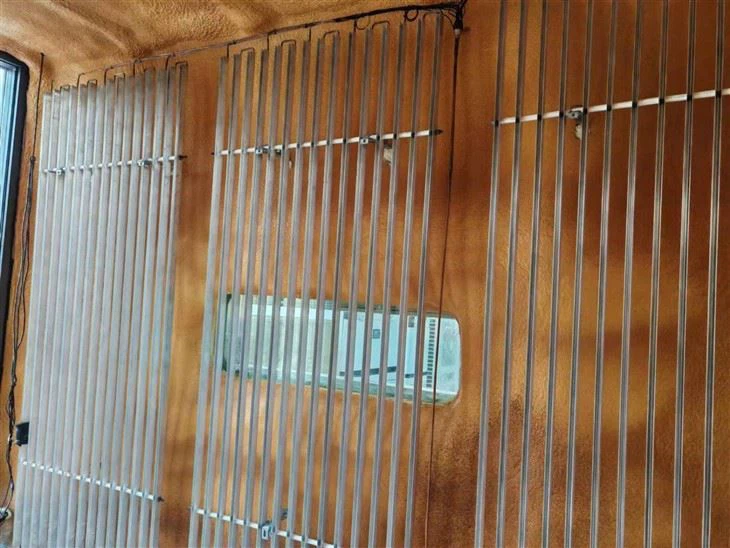
Refrigeration systems are the heart of any cold storage facility. Modern refrigeration systems use advanced technologies, such as variable speed compressors and energy-efficient condensers, to provide precise temperature control and reduce energy consumption. For example, the 3P Outer Unit for Cold Storage is a high-performance refrigeration unit that offers excellent energy efficiency and reliable operation.
Automated Temperature Control Systems
Automated temperature control systems use sensors and algorithms to adjust the temperature settings in the cold storage facility automatically. These systems can optimize temperature control based on factors such as the type of product being stored, the ambient temperature, and the time of day. By using automated temperature control systems, 3PL cold storage providers can improve temperature accuracy, reduce energy consumption, and minimize the risk of human error.

Remote Monitoring and Management
Remote monitoring and management systems allow 3PL cold storage providers to monitor and control their facilities from anywhere in the world. These systems use internet-connected sensors and devices to transmit temperature data and other information to a central server. Operators can access this data through a web-based interface or a mobile app, allowing them to make informed decisions and take immediate action if necessary.
Compliance with Regulations
3PL cold storage providers must comply with a variety of regulations and standards related to temperature control and food safety. These regulations are designed to protect consumers from the risks associated with spoiled or contaminated food products. Some of the key regulations that 3PL cold storage providers need to comply with include:
FDA Food Safety Modernization Act (FSMA)
The FSMA is a comprehensive set of regulations that aim to prevent foodborne illnesses by ensuring the safety of the food supply. Under the FSMA, 3PL cold storage providers are required to implement Hazard Analysis and Critical Control Points (HACCP) plans, maintain proper temperature records, and conduct regular inspections of their facilities.
Good Manufacturing Practices (GMPs)
GMPs are a set of guidelines that outline the minimum requirements for the manufacturing, processing, and storage of food products. 3PL cold storage providers must comply with GMPs to ensure the quality and safety of the products they store.
International Organization for Standardization (ISO) Standards
ISO standards provide a framework for quality management systems and can help 3PL cold storage providers demonstrate their commitment to quality and safety. Some of the relevant ISO standards for cold storage operations include ISO 9001 (Quality Management System) and ISO 22000 (Food Safety Management System).
Conclusion
Temperature control is a critical aspect of 3PL cold storage operations. By understanding the temperature requirements for different products, implementing proper storage conditions, and using advanced technology for temperature management, 3PL cold storage providers can ensure the quality, safety, and compliance of the products they store. At our Cold Warehouse and Refrigerated Warehouse, we are committed to providing our customers with the highest level of service and ensuring the integrity of their products.
If you are looking for a reliable 3PL cold storage provider that can meet your temperature control needs, we invite you to contact us for a consultation. Our team of experts will work with you to understand your requirements and develop a customized solution that meets your specific needs.
References
- Food and Drug Administration (FDA). (2011). Food Safety Modernization Act. Retrieved from [FDA website]
- International Organization for Standardization (ISO). (2015). ISO 9001:2015 Quality management systems - Requirements. Retrieved from [ISO website]
- International Organization for Standardization (ISO). (2018). ISO 22000:2018 Food safety management systems - Requirements for any organization in the food chain. Retrieved from [ISO website]