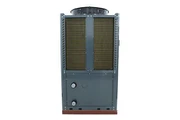
Performance Characteristics of Air-Source Air Conditioners
Nov 13, 2025
As highly efficient air conditioning systems, air-source air conditioning systems offer several key advantages. First, they utilize heat in the air for both cooling and heating, resulting in excellent energy efficiency, especially in mild climates. They typically have a high cost-effectiveness ratio (COP), meaning they can provide more cooling and heating energy for the same amount of electricity consumed.
Furthermore, air-source air conditioning systems are designed for year-round use, maintaining consistent performance whether providing cooling, heating, or domestic hot water. This versatility eliminates the need for additional water heaters or other heating equipment, saving space and money. Furthermore, since the systems do not rely on direct electrical heating, operating costs are relatively low, helping users save on energy bills.
Air-source air conditioning systems also have a lower environmental impact because they do not directly burn fossil fuels, reducing greenhouse gas and other pollutant emissions. Furthermore, these systems are generally quieter, reducing noise pollution.
Maintenance is relatively simple and infrequent. Due to their operating principle, these systems are less prone to refrigerant leaks, a common problem with traditional air conditioning systems. However, regular cleaning and inspections are still necessary to maintain optimal system performance and extend its lifespan.
Overall, air-to-air heating and cooling systems have become a popular heating and cooling solution for modern homes and commercial buildings due to their energy efficiency, versatility, environmental friendliness, and low maintenance requirements.