


Air Source Water Heater Heat Pump
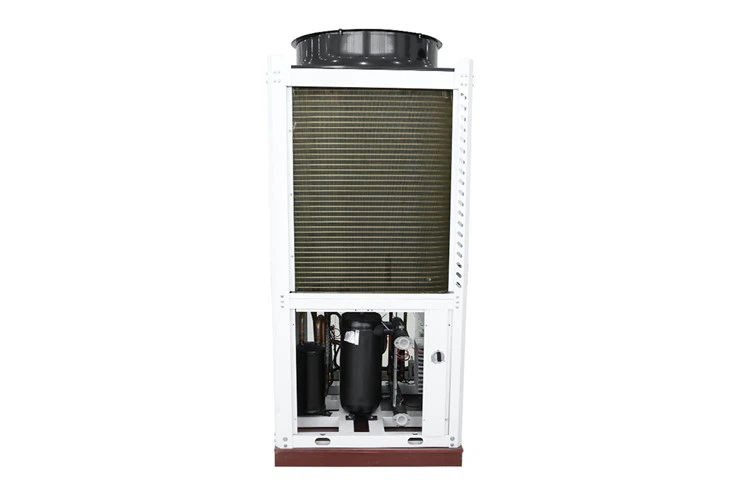
The air source water heater heat pump is a sophisticated and eco-friendly heating system that extracts heat from the ambient air and utilizes it to warm water. This innovative technology operates by absorbing heat energy from the outside air and transferring it to the water within the system. By leveraging the principles of thermodynamics, this heat pump provides an energy-efficient alternative for water heating, significantly reducing electricity consumption compared to traditional heating methods.
What is Air Source Water Heater Heat Pump
The air source water heater heat pump is a sophisticated and eco-friendly heating system that extracts heat from the ambient air and utilizes it to warm water. This innovative technology operates by absorbing heat energy from the outside air and transferring it to the water within the system. By leveraging the principles of thermodynamics, this heat pump provides an energy-efficient alternative for water heating, significantly reducing electricity consumption compared to traditional heating methods.
Advantages of Air Source Water Heater Heat Pump
Energy efficiency
One of the primary advantages of an air source water heater heat pump is its exceptional energy efficiency. By extracting heat from the surrounding air, even in cooler temperatures, and transferring it to the water, these heat pumps can deliver hot water with significantly lower energy consumption compared to conventional heating systems.
Cost savings
The energy-efficient operation of air source water heater heat pumps often leads to reduced energy bills. Their ability to harness freely available heat from the air makes them a cost-effective solution for water heating, contributing to long-term savings for homeowners and businesses alike.
Environmental sustainability
These heat pumps are environmentally friendly, as they rely on ambient air as a renewable heat source. By minimizing reliance on conventional heating methods that may rely on fossil fuels, air source water heater heat pumps help reduce carbon emissions, making them a greener option for those seeking sustainable and eco-friendly heating solutions.
Versatility and space efficiency
Air source water heater heat pumps are versatile and adaptable to various settings. They are compact and require less space compared to some traditional heating systems. This versatility makes them suitable for a range of residential and commercial applications, providing an efficient heating solution without compromising on space.


Why Choose Us

01
High quality
Our products are manufactured or executed to very high standards, using the finest materials and manufacturing processes.

02
Rich experience
Dedicated to strict quality control and attentive customer service, our experienced staff is always available to discuss your requirements and ensure complete customer satisfaction.

03
Quality control
We have professional personnel to monitor the production process, inspect the products and ensure that the final product meets the required quality level standards, guidelines and specifications.

04
24h online service
We try and respond to all concerns within 24 hours and our teams are always at your disposal in case of any emergencies.
Air-to-water heat pumps
This type of heat pump extracts heat from the ambient air and transfers it to water, providing hot water for various applications such as domestic use, space heating, and even radiant floor heating systems.
Air-to-air heat pumps
While not directly heating water, air-to-air heat pumps can indirectly contribute to water heating by providing warm air for space heating. They operate by extracting heat from the air and transferring it to the indoor space, making them a versatile option for both heating and cooling applications.
Split system heat pumps
These systems consist of indoor and outdoor components. The outdoor unit extracts heat from the air, and the indoor unit is responsible for transferring this heat to the water. Split system heat pumps are suitable for locations with limited indoor space.
Monobloc heat pumps
In contrast to split systems, monobloc heat pumps have all components housed in a single unit. This design simplifies installation and maintenance, making them a convenient choice for those seeking a compact and integrated solution for water heating through air source heat pumps.
Capacity requirements
Assess your hot water usage and determine the required capacity of the air source water heater heat pump. Consider factors such as the number of occupants, simultaneous hot water demands, and specific applications. Choosing a unit with an appropriate capacity ensures it meets your household or business needs effectively.
Energy efficiency ratings
Look for energy efficiency ratings such as cop (coefficient of performance) or eer (energy efficiency ratio). Higher values indicate better efficiency. Opting for a more energy-efficient air source heat pump can result in reduced energy consumption and lower operational costs over time.
Climate considerations
Consider the local climate and its impact on the heat pump's performance. Some models are designed to operate efficiently in colder climates, while others may experience diminished performance in extreme temperatures. Choose a unit that suits the climate conditions of your location for optimal year-round performance.
Installation requirements
Assess the installation requirements of the air source water heater heat pump. Factors such as available space, electrical requirements, and compatibility with existing plumbing systems should be considered. Some units may require professional installation, so be sure to factor in installation costs and feasibility.
Cost analysis
Compare the initial cost, operational costs, and potential long-term savings associated with different air source water heater heat pump models. Factor in energy efficiency, maintenance requirements, and warranty offerings. While a higher upfront cost for a more efficient unit may exist, it can lead to significant savings over the lifespan of the heat pump.
Application of Air Source Water Heater Heat Pump
Residential water heating
Air source water heater heat pumps are commonly used in residential settings to provide hot water for daily activities such as bathing, washing dishes, and laundry. They offer an energy-efficient alternative to traditional water heating methods.
Space heating
Some air source heat pump systems are designed to provide both hot water and space heating. These systems can efficiently transfer heat from the air to warm both the water used for domestic purposes and the indoor spaces, offering a dual-purpose heating solution for homes.
Commercial and industrial applications
Air source water heater heat pumps find applications in various commercial and industrial settings where a reliable and energy-efficient hot water supply is essential. This includes hotels, restaurants, manufacturing facilities, and other commercial enterprises with significant hot water demands.
Swimming pool heating
Air source heat pumps are employed for heating swimming pools efficiently. They extract heat from the surrounding air and transfer it to the pool water, maintaining a comfortable temperature for swimmers. This application is both cost-effective and environmentally friendly.
Hydronic heating systems
These heat pumps can be integrated into hydronic heating systems, where hot water is circulated through pipes or tubes beneath the floor to provide radiant heating. This application is valued for its energy efficiency and the even distribution of warmth in residential and commercial spaces.
Renewable energy integration
Air source water heater heat pumps are often incorporated into renewable energy systems, such as solar thermal or photovoltaic installations, to enhance overall energy efficiency. By harnessing the heat from the air, these pumps complement other sustainable energy sources, contributing to a greener and more environmentally conscious energy mix.
How to Install Air Source Water Heater Heat Pump
Site assessment
Begin by conducting a thorough site assessment to identify the most suitable location for the air source water heater heat pump. Consider factors such as available space, accessibility for installation and maintenance, and proximity to the water heating and distribution system.
Electrical connections
Ensure that the electrical system can support the heat pump's power requirements. Install a dedicated electrical circuit if necessary and comply with local electrical codes. Proper grounding and wiring are crucial for the safe and effective operation of the heat pump.
Plumbing integration
Connect the heat pump to the existing plumbing system. This involves installing inlet and outlet pipes, as well as integrating the heat pump with the water storage tank or distribution system. Proper insulation of pipes is important to minimize heat loss during water transfer.
Mounting and positioning
Mount the outdoor unit of the heat pump in a location with ample airflow, typically outside. Ensure that the unit is level and securely mounted to prevent vibrations and noise. Consider factors such as minimizing exposure to direct sunlight or extreme weather conditions.
Refrigerant lines
Connect the refrigerant lines between the indoor and outdoor units of the air source heat pump. This process involves carefully handling and connecting the refrigerant lines, ensuring they are properly insulated to maintain efficiency and prevent heat loss during the transfer process.
Commissioning and testing
Once the physical installation is complete, commission the system by turning it on and testing its functionality. Verify that the heat pump can efficiently extract heat from the air and transfer it to the water. Conduct thorough performance tests and address any issues that may arise during the testing phase.
Process of Air Source Water Heater Heat Pump
The process begins with the air source water heater heat pump absorbing ambient air from its surroundings. The unit contains a fan that draws in air, capturing the available thermal energy present in the atmosphere.
Within the heat pump, a refrigerant circulates through an evaporator coil. As the absorbed air passes over this coil, the heat energy is transferred to the refrigerant, causing it to evaporate and turn into a low-pressure gas.
The now-gaseous refrigerant is compressed by a compressor unit within the system. Compression increases the temperature and pressure of the refrigerant, further concentrating the heat energy it carries.
The hot, pressurized refrigerant is then circulated to a condenser coil, usually located within the water storage tank. As the refrigerant releases its heat, it undergoes condensation, changing back into a liquid state.
The heat extracted from the air is transferred to the water in the storage tank or the water distribution system. This process raises the temperature of the water, providing a continuous and efficient supply of hot water for various applications.
The heated water is then circulated through the plumbing system to meet the demands for domestic use, space heating, or other applications. The pump ensures proper circulation, and temperature controls regulate the output to maintain the desired hot water temperature.
Things to Note When Using Air Source Water Heater Heat Pump
Temperature variation
Be aware that the efficiency of air source water heater heat pumps may vary depending on external temperatures. These systems are generally more effective in milder climates, and their performance may decrease in extremely cold conditions. Consider supplementary heating options during exceptionally low temperatures.
Regular maintenance
Ensure regular maintenance of the heat pump system to optimize its performance. This includes cleaning or replacing filters, checking refrigerant levels, inspecting fans and coils, and addressing any issues promptly. Regular maintenance helps prevent breakdowns and prolongs the life of the equipment.
Noise levels
Air source water heater heat pumps may generate some noise during operation, particularly the outdoor unit. Consider the noise levels and ensure the installation complies with local regulations or guidelines to minimize any potential disturbances to neighbors or occupants.
Proper sizing
Ensure the heat pump is properly sized to meet the hot water demand of your household or facility. An undersized unit may struggle to provide adequate hot water, while an oversized unit could lead to unnecessary energy consumption. Consult with a professional to determine the appropriate size for your specific needs.
Ventilation for outdoor unit
Proper ventilation for the outdoor unit is essential. Ensure that the unit has sufficient airflow around it to optimize heat exchange efficiency. Clear any debris, snow, or obstacles that might hinder the unit's performance. Adequate ventilation helps maintain the heat pump's effectiveness.
Energy efficiency settings
Explore and understand the energy efficiency settings and controls of your air source water heater heat pump. Adjust settings according to your usage patterns and preferences, optimizing energy efficiency without compromising the availability of hot water. Familiarize yourself with programmable features if available.
Components of Air Source Water Heater Heat Pump
Evaporator coil
This component is responsible for absorbing heat from the ambient air. It is typically located in the outdoor unit and facilitates the evaporation of the refrigerant as it absorbs thermal energy from the surrounding air.
Compressor
The compressor is a crucial component that pressurizes the refrigerant, increasing both its temperature and pressure. This process prepares the refrigerant for the next stage in the cycle and is often housed within the outdoor unit.
Condenser coil
Situated in the water storage tank or the indoor unit, the condenser coil receives the high-pressure, high-temperature refrigerant from the compressor. As the refrigerant releases heat, it condenses back into a liquid, transferring the captured thermal energy to the water.
Expansion valve
This valve regulates the flow of the refrigerant between the high-pressure side (condenser) and the low-pressure side (evaporator). It facilitates the expansion of the refrigerant, lowering its temperature and pressure in preparation for the next cycle.
Fan
The fan is part of the outdoor unit and plays a crucial role in the heat exchange process. It helps draw in ambient air across the evaporator coil, facilitating the absorption of heat from the air. The fan also aids in dissipating heat during the condensation process.
Controller/thermostat
The control unit or thermostat is responsible for regulating and monitoring the temperature of the water. It ensures that the system operates efficiently, activating or deactivating components as needed to maintain the desired hot water temperature.
How to Maintain Air Source Water Heater Heat Pump
Keep the outdoor unit, including the evaporator and condenser coils, clean from dirt, debris, and dust. Regularly inspect and clean these components to ensure optimal heat exchange efficiency. A clean unit operates more efficiently and reduces the risk of malfunctions.
Air filters prevent dust and particles from entering the heat pump. Check and clean or replace the filters regularly, as clogged filters can hinder airflow and reduce efficiency. Clean filters contribute to improved indoor air quality and maintain the system's performance.
Ensure that the refrigerant levels are within the manufacturer's recommended range. Low refrigerant levels can lead to decreased efficiency and potential damage to the compressor. If there are signs of refrigerant leakage or low levels, consult a professional technician for inspection and replenishment.
Inspect the fan and blower components in the outdoor unit. Ensure they are free of obstructions and damage. Properly functioning fans contribute to efficient heat exchange. Lubricate fan motors and bearings as recommended by the manufacturer.
Regularly inspect the system for any signs of leaks in the refrigerant lines or connections. Leaks can lead to reduced efficiency and may indicate potential issues with the system. Address any leaks promptly and seek professional assistance if needed.
Check and verify the thermostat settings to ensure they match your preferences and usage patterns. Programmable thermostats can be adjusted to optimize energy efficiency. If equipped with advanced features, familiarize yourself with the programming options for optimal performance.

An air source water heater heat pump operates by utilizing the ambient air's thermal energy to heat water for various applications. The process begins with the absorption of surrounding air by the heat pump's evaporator coil. As this air passes over the coil, a refrigerant inside it evaporates, transforming into a low-pressure gas. The compressor then pressurizes this gaseous refrigerant, elevating both its temperature and pressure. The hot, pressurized refrigerant is directed to the condenser coil, often situated within the water storage tank, where it releases heat. This causes the refrigerant to condense back into a liquid, and the captured thermal energy is efficiently transferred to the water. Finally, the heated water circulates through the plumbing system, providing a continuous and energy-efficient supply of hot water.
Can An Air Source Water Heater Heat Pump Be Used For Both Hot Water And Space Heating
Dual-purpose capability
Yes, an air source water heater heat pump can be designed to serve both hot water and space heating applications simultaneously.
Integrated systems
Some models are equipped with integrated systems that allow for efficient heating of domestic water for daily use while also providing warmth to indoor spaces.
Hydronic heating
The heat pump can be integrated into hydronic heating systems, where hot water is circulated through pipes or tubing beneath the floor to provide radiant heat for space heating.
Versatility in applications
This versatility makes air source heat pumps suitable for residential, commercial, and even industrial settings, offering a comprehensive solution for both water and space heating needs.
Energy efficiency
Dual-purpose air source water heater heat pumps can contribute to energy efficiency by utilizing the same heat extraction and transfer mechanisms for both hot water and space heating.
Integrated controls
All our products have warranty service,the motor warranty ten years,other accessories warranty two years,any problem we will try to solve for you!
How Can One Improve The Energy Efficiency Of An Air Source Water Heater Heat Pump System
Regular maintenance
Implement a routine maintenance schedule, including cleaning or replacing filters, inspecting coils, and checking refrigerant levels. A well-maintained system operates more efficiently and reduces energy consumption.
Optimal temperature settings
Set the thermostat to an energy-efficient temperature range. Avoid unnecessarily high temperatures for hot water, and use programmable thermostats to adjust settings based on daily and seasonal needs.
Insulation upgrades
Improve the insulation of water storage tanks and distribution pipes. Proper insulation minimizes heat loss during water transfer, allowing the system to operate more efficiently.
Ventilation and airflow
Ensure proper airflow around the outdoor unit of the heat pump. Clear any debris or obstructions, and maintain sufficient space for optimal ventilation. Good airflow enhances heat exchange efficiency.
Consider supplemental heating
In extremely cold climates, consider incorporating a supplemental heating source or a backup system to support the air source heat pump during periods of reduced efficiency.
Explore renewable energy integration
Consider integrating the air source water heater heat pump with renewable energy sources, such as solar panels. This can further reduce the reliance on traditional energy sources and enhance the overall sustainability of the system.
What Are The Environmental Benefits Of Using Air Source Water Heater Heat Pumps


Reduced greenhouse gas emissions
Air source water heater heat pumps operate using electricity and significantly reduce reliance on fossil fuels, resulting in lower greenhouse gas emissions. This transition contributes to mitigating climate change and decreasing the carbon footprint associated with water heating.
Energy efficiency
Air source heat pumps are inherently more energy-efficient than conventional heating systems. By extracting and transferring heat from the air, they provide a sustainable and eco-friendly alternative, consuming less energy to produce the same amount of hot water.
Renewable energy integration
These heat pumps can be integrated with renewable energy sources such as solar panels, further reducing dependence on non-renewable energy. This synergy promotes the use of clean and sustainable energy for water heating.
Lower energy consumption
The efficient operation of air source water heater heat pumps results in lower energy consumption, directly translating to reduced demand on power grids. This decreased energy demand contributes to overall energy conservation and environmental sustainability.
Minimized resource depletion
Unlike systems relying on finite resources like natural gas or oil, air source water heater heat pumps primarily utilize the freely available ambient air. This reduces the depletion of non-renewable resources and helps preserve environmental ecosystems.
Improved air quality
As air source heat pumps operate using electricity instead of burning fuels, they contribute to improved air quality by reducing emissions of pollutants and particulate matter associated with traditional combustion-based heating systems. This positively impacts both indoor and outdoor air quality.
FAQ
Hot Tags: air source water heater heat pump, China air source water heater heat pump manufacturers, suppliers, factory, DC Inverter Air To Water Heat Pump, Digital DC Inverter Frozen Air Unit, cold chain solutions, Cold Storage For Fruits And Vegetables, Split Extreme Cold Hot Water Heating Unit, Aluminum Plate For Cold Storage Unit


Send Inquiry
