Energy Savings Of Variable Frequency Air Source Heat Pumps
Nov 06, 2025
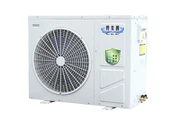
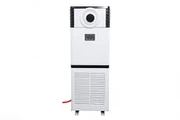
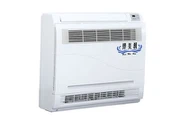
Variable frequency air source heat pumps are air source heat pump systems that utilize variable frequency technology. They automatically adjust their operating frequency based on actual heat load demand, achieving higher energy efficiency and energy savings.
The following are key points about the energy-saving benefits of variable frequency air source heat pumps:
1. Adaptive Regulation:
Variable frequency air source heat pumps automatically adjust the compressor speed based on indoor and outdoor temperature fluctuations and user heat demand. This means that when demand is low, the heat pump can operate at a lower frequency, reducing energy consumption; when demand increases, the frequency can be quickly increased to meet heat demand.
2. Reduced Start-Stop Frequency:
Traditional non-variable frequency heat pumps shut down completely after reaching the set temperature and restart when the temperature drops below a certain level. This frequent start-stop cycle not only causes wear and tear on the equipment but also wastes energy. Variable frequency heat pumps, on the other hand, maintain a constant output by adjusting the operating frequency, avoiding the energy waste associated with frequent starts and stops.
3. Optimized Operating Efficiency:
Variable frequency technology enables the heat pump to maintain high efficiency under varying operating conditions. At partial load, inverter heat pumps are typically more efficient than non-inverter heat pumps operating at full load because the compressor can operate at its optimal efficiency point, avoiding overheating and energy waste.
4. Reduced Noise and Vibration:
Because inverter heat pumps avoid frequent starts and stops, they operate more smoothly, resulting in lower noise and vibration levels. This not only improves user comfort but also helps extend the life of the equipment.
5. Intelligent Control:
Modern inverter air source heat pumps are often equipped with intelligent control systems that optimize control based on weather forecasts, user habits, and real-time energy consumption data, further enhancing energy savings.
6. Long-Term Energy Savings:
While the initial investment for inverter heat pumps may be higher than that of non-inverter heat pumps, their higher operating efficiency can result in greater long-term energy cost savings, resulting in better economic benefits.
Overall, inverter air source heat pumps achieve higher energy efficiency and energy savings through their intelligent regulation and optimized control, making them particularly suitable for commercial and residential applications that require continuous adjustment of heat output. With rising energy costs and increasing environmental awareness, variable frequency air energy heat pumps are becoming an increasingly popular energy-saving solution.