How An Air Source Heating System Works
Oct 30, 2025
An air source heating system is a highly efficient and energy-saving heating method, primarily based on air source heat pump technology. It absorbs heat from the outdoor air, compresses it, and transfers it to the indoor space, raising the indoor temperature.
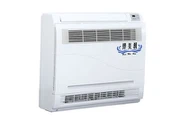
An air source heating system consists of two parts: an outdoor unit and an indoor unit. The outdoor unit, through circulation, absorbs low-temperature heat from the outdoor air. The compressor then heats the low-temperature, high-pressure refrigerant, releasing high-temperature heat. The refrigerant is then transported through pipes to the indoor unit, releasing heat to the indoor air, thereby achieving a heating effect.
Based on the heat pump cycle, the air source heating system utilizes heat from a low-temperature heat source, compressing and transferring it to raise its temperature, thereby achieving heating. Compared to traditional heating methods, air source heating systems offer advantages such as high efficiency, energy saving, environmental friendliness, safety, and reliability, and are gaining increasing popularity.
In actual operation, air source heating systems require careful cleaning and regular maintenance to ensure proper system operation. Furthermore, temperature control can be adjusted appropriately based on indoor and outdoor temperature fluctuations, saving energy while maintaining a comfortable indoor environment.
In general, air-source heating systems operate based on air-source heat pump technology, achieving indoor heating through a circulation process. With growing awareness of energy conservation and environmental protection, air-source heating systems are expected to be more widely used and promoted in the future.