Air-energy heat pumps need to pay attention to 5 precautions
Jul 04, 2025
The large-scale use of air-energy heat pumps is not only conducive to energy saving, safety, and stability of users through the heating season, but also conducive to environmental protection. However, if misused, it will not only affect the heating effect but also easily cause air-energy heat pump equipment failure.
As a heating heat source, air-energy heat pumps should pay attention to five precautions
1. Do not cut off the power of the air-energy heat pump host at will
As a heating device, the air-energy heat pump does not need to use fossil fuels such as gas, fuel or coal. However, to power the compressor, it is necessary to provide power input to the air-energy heat pump host to enable the entire system to operate normally. It can be seen that the operation of the air-energy heat pump is inseparable from power.
Many users use heating at night, but when the temperature is high during the day or when they are not at home, to save energy, some users will turn off the power to the air-energy heat pump. This mode of operation seems to have a good energy-saving effect, but it is an inappropriate mode of operation in real life. First of all, after the air-energy heat pump is powered off, it will not provide continuous heat energy to the room. As the indoor temperature decreases, more heat will be required to start again, so the energy consumption will be higher. Secondly, air-energy heat pumps transfer heat through water as a medium. When used in a low-temperature environment, the heat pump host may freeze and crack (low-temperature environment). The correct operation should be to adjust the set value of the unit to the lowest when the air-energy heat pump host is not needed, so that the unit can start the antifreeze function at low temperatures to solve the problem of energy waste and unit antifreeze.
In addition, some parts are prone to passive power outages, such as power outages at the power supply bureau or being affected by wind and snow, resulting in failures and power outages in the electric control system. In the case where it cannot be guaranteed that the power can be restored in time, the power outage time may be relatively long. Customers should open the drain valve of the unit to drain the water in the system. Even if the power is off for a long time, the heat pump host and the pipeline system can be prevented from freezing and cracking at low temperatures.
2. Do not mess with the operation panel function keys when the air-energy heat pump is running
The operation of the air heat pump is relatively simple, but there are also many buttons that need to be set and adjusted by the customer in advance. After all, some buttons adjust the water temperature, some buttons adjust the mode, and some buttons are set regularly. If the user is not familiar with the operation panel function buttons, it may affect the normal operation of the heat pump host.
When installing and adjusting the heat pump host, the staff will set the water temperature in advance, inform the user of the buttons that can be controlled, which buttons cannot be moved at will, and give the user an operation guide. What the user can do is to adjust the heating mode in winter, adjust the cooling mode (two or three) in summer, and then adjust the water supply temperature of the heat pump host. When the ambient temperature is relatively low and the indoor temperature is not enough, the water supply temperature of the heat pump host can be set higher (floor heating is between 35℃-55℃, the lower the temperature, the more energy saving), if the indoor temperature is too hot, the water supply temperature of the heat pump host can be set lower (35℃ can also achieve indoor heating).
For some users with high indoor temperature requirements, when setting the temperature of the heat pump host, do not adjust the indoor temperature in pursuit of "heat". After all, the greater the indoor temperature requirement, the greater the water supply temperature of the heat pump host, the longer the heating time, and the greater the power consumption when using it. And the higher the indoor temperature, the more obvious the human body's sense of heat. Therefore, the indoor setting of 20℃±2℃ can already meet the normal heating of the family, and it is also the temperature that most people feel more comfortable. If the indoor temperature is set to 30℃, not to mention whether the indoor temperature can reach this set value, the heating cost will double.
3. Contact after-sales service in time for air-energy heat pump failure
The air-energy heat pump is an electrified device, so there is a certain probability of failure. If a failure occurs during operation, do not move the buttons on the host or the heat pump host at will at this time. Although the customer's operation is not easy to cause greater damage to the equipment, the real fault of the heat pump host cannot be cleared, and the heat pump host cannot be operated normally.
Suppose the air-energy heat pump reports a fault. In that case, the corresponding manufacturer or maintenance personnel should be contacted in time, and the fault code displayed on the operation panel should be reported. If the fault is relatively simple, the maintenance personnel can remotely teach the customer to clear the fault by phone and restore the system to normal operation. If the fault is more complicated, or the customer's operational ability is not strong, the after-sales staff will come to the door in time to deal with the fault.
4. Timely handle the defrosting water around the air-energy heat pump host in a low-temperature environment
As we all know, air-energy heat pumps have similarities with ordinary air conditioners. Condensation water will flow out when the heat pump is turned on. In case of non-compliant installation or limited installation conditions, when the external ambient temperature is very low, the outflowing defrost water can easily condense into icicles and directly enter the condensate drain hole of the heat pump host from the ground, resulting in poor drainage of the heat pump host. More seriously, it will freeze the pipes inside the heat pump and damage the heat pump.
The harm of defrost water to the heat pump host mainly occurs in the extremely low temperature environment in the north. The greater the difference between the indoor temperature and the ambient temperature, the longer the heat pump host works, the more condensed water and ice will be produced after defrosting, and gradually freeze along the drain pipe, making the heat pump host unable to frost, and even causing damage to the heat pump host. In this case, customers need to check the defrosting of the condensate water of the heat pump host in time and deal with the condensed icicles in time. Of course, when installing the heat pump host, it is also necessary to consider the problem of defrost water freezing in later use. The heat pump host is best to be more than 50 cm above the ground to keep the defrost water discharged smoothly.
5. Do not pile up debris around the air-energy heat pump host
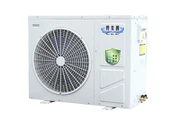
The air-energy heat pump absorbs the heat of the gas in the low-temperature environment, and then transfers the heat to the heating circulating water through the continuous operation of the compressor. The main component to complete the heat exchange is the fins of the evaporator. If there are a lot of debris or weeds around the heat pump host, the air circulation around the heat pump host will be poor, and the fins on the heat pump host will absorb less heat from the air, affecting the heating capacity of the heat pump host, reducing the indoor heat, resulting in high energy consumption and low indoor temperature.
It should also be noted that the heat pump's host fan exhausts cold air. If the air circulation around the heat pump is not smooth, the cold air constantly lingers around the heat pump, which will also affect the heat absorption effect of the heat pump. Therefore, keep at least 2 meters in front of the heat pump host fan without obstacles. When the environment around the heat pump host deteriorates, the obstacles around the heat pump host should be dealt with in time. Do not pile up debris around the heat pump host and clean up the growing green plants. If allowed, the heat pump host can be cleaned and maintained to clean up the dust, oil stains, cobwebs, dead leaves, pollen, etc. attached to the heat exchange fins. This also helps the fins to better exchange heat with the air.